

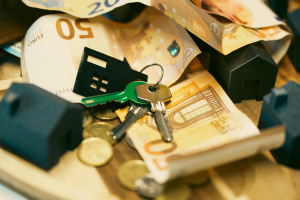
 Is it better to rent a home than buy one?
Explore why renting can be the wiser financial decision, practical ideas for saving and insights on how to build wealth while in a lease.
Are renting and “throwing money away” truly the same thing, or could it be a wiser financial move?
The answer to whether you should buy is certainly not a simple yes or no — especially given how hot (and rapidly changing) the housing market is right now.
In this ultimate guide, we will break down every instance in which Renting is better than buying, share the hidden costs of homeownership that can cost you seven figures (or more) and show how one might build wealth without even owning property.
Understand the hidden costs of buying a home, know the financial advantages of renting and implement a step-by-step plan to determine what makes the best sense for your individual situation.
If you want more financial freedom, less money stress, and a smarter approach to how you manage your cash, then this is a must-read for you.
Discover tools to turn the act of renting from unavoidable and a bad position into an investment strategy that builds wealth.
Introduction
Everyone always says, “Buy a house—it’s the best investment you’ll ever make.” But maybe that common advice isn’t all that commonly applicable?
However, under certain conditions, what if choosing to rent could help you build more wealth, reduce your stress, and give you a little extra financial freedom?
The truth is, buying a home is not always the smartest financial decision — especially if it stretches your budget too thin, traps you in a cycle of debt or limits your overall flexibility.
We will do a deep dive into the situations when renting might be the better option — and you can take advantage of it as an intentional and purposefully used wealth creation machine instead of seeing this arrangement as being merely out of your control “temporary” point in life.
The Problem: The Myth That Buying Is Always Better
Many people see homeownership as the ultimate financial accomplishment.
But what a sizable portion of folks do not understand about this pursuit is the context involved with it:
The Purchase of a House is Overdrawn with Hidden Costs
Homeownership is so much more than making the monthly mortgage payment.
In addition to this major financial obligation, homeowners must cover various other expenses, such as:
- Property taxes, which can vary by place and assessed value, sometimes result in large yearly payments.
- Maintenance and repairs needed to uphold the property’s condition and value may unexpectedly become significant costs.
- Insurance is critical for protection from the worst and ongoing expense.
- Unexpected emergencies caused by natural phenomena may require urgent repairs due to sudden damage or disasters, leading to unforeseen financial losses for homeowners.
After combining these various expenses, homeowners may find themselves spending several thousand dollars each year. This challenges the assumption that owning a home always ensures financial security and the growth of wealth.
You are Not Always Building Wealth.
It is a common misconception that investing in real estate guarantees sound financial returns and eliminates the possibility of making poor investment decisions.
However, key factors complicate this equation.
- The first basic truth is that home values do not always go up over time; they can stagnate — or even drop — depending on a multitude of economic factors and local market dynamics.
- Moreover, selling a property has its own costs to consider (commissions, fees, and fees) which can erode any potential sale profit.
- Mortgage interest payments can often exceed property appreciation, which raises questions about the value of homeownership.
Lack of Flexibility
In addition, there is a significant loss of agility that comes with the choice to purchase a property, as this investment effectively ties you to one place.
This can get tricky if, for example,
- You want to change jobs and seek different career opportunities in another city or
- find that your financial situation changes and
- unexpectedly requiring you to move.
The home selling process is notoriously fraught with obstacles, being a slow, stressful, and costly exercise that highlights the downsides of home dominium in an evolving and developing world.
What Will You Learn in This Article
After you read this step-by-step guide to earning money, you will be familiar with:
✔ The precise situation in which renting becomes the wiser, more economical option.
✔ Exactly how homeownership truly compares to renting, from a financial perspective.
✔ Ways to build wealth and financial security without real estate.
✔ Carefully developed, step by step Guidelines to Help You figure out which choice is right for your individual circumstances and needs.
✔ A collection of invaluable tools and resources that will prepare you to effectively control your money and successfully walk through your finances.
Table of Contents
- Renting vs Buying: The Truth
- When Renting Is the Smarter Choice
- The Financial Advantages of Renting
- Step-by-Step Plan to Decide What’s Right for You
- Tools & Resources to Build Wealth While Renting
- Final Thoughts + Next Steps
Renting vs Buying: The Truth
Buying a home can certainly be a great and fulfilling thing — if the timing is exactly right for your financial situation and your long-term goals.
Many people wrongly consider rent as wasted money, misunderstanding what renting deeply involves.
But there is a more astute and nuanced way to think about this topic:
Renting is buying flexibility (convenience, a lower degree of risk).
In contrast, buying means accepting a greater level of accountability, taking on an element of risk, and contending with the long-term expenses.
There is value in renting and there is value in buying; at the end of the day, it all comes down to your own situation and what you like.
When Renting Makes More Sense
- You Plan to Move Soon
If you are not staying in one place for at least 3–5 years, renting is often better.
Why is this the case?
Because all the different costs involved in purchasing and then selling a property can easily outweigh any gains you might make financially.
- You Want Financial Flexibility
Being a renter allows you the valuable opportunity to:
- Retain additional cash to invest in other business ventures.
- Put it into dozens of other, much better opportunities.
- Skip the headache of a sizable upfront financial investment associated with home buying.

- You Lack a Robust Emergency Fund
Owning an extremely expensive way of life will always include things like the unexpected expense.
If individuals lack sufficient savings to manage unforeseen circumstances, renting may offer a practical means of safeguarding against abrupt and potentially overwhelming financial burdens.
- The Cost of Homes is Currently too High.
Buying property in an overheated housing market can lead to negative consequences.
These can include:
- Paying too much for a home that you cannot keep its value.
- Getting lower returns on your investment than you expected
- Struggling with financial stress and anxiety over inflated prices
When you rent, however, it allows you the precious time to sit back and see if market conditions get better or if a better opportunity comes up.
- You Prefer Low Responsibility
By choosing to rent, you no longer must worry about handling home maintenance and repairs yourself.
You do not have to worry about maintenance or the stress of fixing things — if something breaks down or needs attention, just call out your landlord and you can enjoy life more carefree.
The Financial Advantages of Renting
Lower Upfront Costs
Purchasing property requires meeting key financial criteria, such as:
- the down payment amount which could seriously be a substantial proportion of the total worth of the object or
- Once transactions are complete, buyers must cover extra expenses such as closing fees, which contribute to streamlining the overall process.
- In addition, there are expenses associated with relocating to a new home that can really start to add up and come at an unexpected cost.
By comparison, rent typically requires a significantly lower up-front financial outlay, which often includes.
- just a security deposit (and is typically refundable at the end of the lease) and
- First month’s rent allows prospective renters to keep their cash on hand and exercise greater freedom with their finances.
Predictable Monthly Expenses
In addition, one of the things that make renting, so alluring is its predictable monthly costs.
Since rent remains constant throughout your lease, you can manage your budget without worrying about sudden increases.
While renters can budget their monthly expenses more easily, homeowners encounter unpredictable costs such as property taxes, maintenance fees, and insurance premiums.
You can invest in the difference.
Additionally, renting offers its own advantage: the ability to invest the gap in finances instead of tying one’s capital into a home purchase.
Instead of locking away thousands of dollars into a mortgage that invests money in property, renters can redirect their savings into investments like stock market shares where if done so correctly the leverage and growth factors can be huge.
In addition, they might want to pursue entrepreneurial opportunities through the way of starting their own business, providing new opens and incomes.
In addition, renting enables people to invest in diversity by developing multiple income streams, making them financially stronger, and enhancing their sense of security in a rapidly changing economic environment.
Here is a Real-Life Example
Suppose this is a hypothetical situation:
- The cost of buying a property is a whopping $2,500 a month.
- While the cost of renting an equivalent home is only $1,800.
As a result, the monthly expense difference is an impressive $700.
By utilizing this excess $700 each month and placing into an investment vehicle with around 8% annual return.
After a full 20 years you will be well on your way to compound growth, netting beyond that of a staggering $400,000!
This suggests the secret and frequently underappreciated advantage of intentionally renting over ownership.
Actionable Plan to Find Out What’s Best for You
Step 1: Do a Complete Analysis of Your Financial Situation
Consider these questions to positively challenge yourself:
- Do I have enough of an emergency fund to cover three to six months’ worth of expenses?
- Will I be able to carry ongoing maintenance costs if they come up?
Step 2: Total Cost of Ownership – Complete
This calculation should encompass:
- The mortgage payment
- Property taxes
- Homeowners insurance
- Home repair and maintenance costs
Once you have those figures, compare the total cost of ownership with what you would be paying in rent.

Step 3: Consider Your Lifestyle Goals
Think about what you really care about in your living situation:
- Is it stability and permanence that is most important for you? → Therefore, buying a home may be closer to your dreams.
- Do you prefer portability and the ease of moving? → You may very well be better off renting.
Step 4: Evaluate the Existing Market Environment
Engage in thorough research regarding:
- Prices of homes in the area you want to live.
- How the current interest rates could impact your mortgage.
- Rental rates for comparable homes in the area
Step 5: Invest Your Savings Wisely
When your decision to rent eventually allows you to save a surprisingly considerable sum of money, what you must not do is waste that saving.
Instead, commit to a consistent investment approach over time and it will increase your wealth.
Tools & Resources to Help You Build Wealth While Renting
Take control of your financial terrain and keep a close eye on your rental costs as well as your savings:
Essential Must-Read Book
“Rich Dad Poor Dad” written by the one and only Robert Kiyosaki
Insightful Investing Guide
“The Simple Path to Wealth” written by the wise JL Collins
Rent vs Buy Calculator
Use free online calculators to measure the long-term costs of renting vs buying so you can make informed and wise decisions.
Renting vs Buying: Quick Comparison
| Factor | Renting | Buying |
| Flexibility | High | Low |
| Upfront Cost | Low | High |
| Maintenance | None | High |
| Wealth Potential | Through investing | Through property |
| Risk | Lower | Higher |

The Smart Wealth Strategy
This is what financially wise people tend to do:
They resist jumping into purchases just because “everyone else is getting on the bandwagon.
Instead, they:
- Rent if it makes sense and is a good deal.
- Aggressively engage in investing to help them achieve maximum returns.
- Buy only when they are ready and financially able.
Before making one of the biggest decisions of your life — to buy a home — pause and ask yourself:
“Am I making this purchase because it’s a smart financial decision — or only because society tells me I should?”
Share this with someone who may be struggling with the decision to rent or buy, if you feel you have gained insight and clarity from this article.
Conclusion
Renting is not a failure.
It is a strategy.
Used wisely, it can grant you the precious trifecta of freedom, flexibility, and financial leverage to create true wealth—on your own terms and at your own pace.
Sometimes renting is the best financial decision possible: The playing hand may not be ideal, but there are other moves out there to consider.
It offers you incredible flexibility, precious room to build savings and the excellent opportunity of investing in your future without the shackle of debt or the risk of unexpected events.
While thousands of excited people are taking this leap into homeownership, do your best to make decisions that align with where you want your money to go—not what society tells you or what others expect.
Keep in mind that wealth is more than just possession; genuine wealth comes from regularly making wise and responsible financial decisions over the years.
So, if renting allows you to remain stable, reduce stress and focus on your overarching financial goals… take comfort in knowing you are not behind.
You are playing the long game—and winning.
Continuing Your Wealth Journey
Ready to start building better and smarter financial habits?
Read next: “Why Buying a Brand-New Car Is Almost Always a Terrible Financial Mistake (And 10 Things to Do Instead)!”
This eye-opening guide will show you how one decision can potentially save or cost you thousands of dollars.
Thinking of buying a brand-new car?
Take a moment to change your mind about the pick.
That freshly minted “new car smell” is great, and who does not get excited to fire up a new vehicle with a fresh tank of gas in it?
In this guide, we go into detail about why it is typically a bad idea to buy a brand-new car and how it can slowly sabotage your wealth-building process.
You will discover the hidden costs of depreciation, insurance rates, and financing—and read a detailed list of ten better choices that can save you thousands over time, reduce your debt load and help you build true financial freedom.
If you want to stop throwing away your hard-earned money on things that only lose value over time so you can do better with your finances, this article is ABSOLUTELY for you and a must read.
References
- S. Census Bureau – Homeownership Data
- Federal Reserve – Housing Costs & Trends
- NerdWallet – Rent vs Buy Analysis
- Investopedia – Real Estate Investment Basics