Choosing between a fixed and variable rate home loan ranks among the most important financial decisions you’ll make. This choice affects your monthly payments, long-term costs, and financial stability for years to come. While both loan types offer distinct advantages, understanding their differences helps you select the option that aligns with your financial goals and risk tolerance.
Fixed rate loans provide payment stability through consistent interest rates, while variable rate loans offer potential savings through fluctuating rates tied to market conditions. The right choice depends on your income stability, risk preferences, and long-term homeownership plans.
This guide examines both loan types in detail, helping you navigate this crucial decision with confidence and clarity.
Understanding Fixed Rate Home Loans
Fixed rate home loans maintain the same interest rate throughout the entire loan term. Whether you choose a 15-year or 30-year mortgage, your interest rate remains constant from your first payment to your last.
How Fixed Rates Work
When you secure a fixed rate loan, you lock in your interest rate based on current market conditions and your creditworthiness. This rate doesn’t change regardless of economic fluctuations, Federal Reserve decisions, or shifts in the broader lending market.
Your monthly principal and interest payment stays exactly the same each month. However, your total monthly payment may vary slightly due to changes in property taxes, homeowners insurance, and private mortgage insurance premiums.
Advantages of Fixed Rate Loans
Predictable Monthly Payments: Fixed rates eliminate guesswork from your budget. You know exactly how much you’ll pay each month, making financial planning straightforward and stress-free.
Protection Against Rate Increases: If interest rates rise after you secure your loan, you’re protected from higher payments. This protection becomes especially valuable during periods of economic uncertainty or inflation.
Long-term Budget Planning: Fixed payments make it easier to plan major financial decisions, from career changes to retirement savings. You can confidently commit to other financial goals knowing your mortgage payment won’t increase.
Peace of Mind: Many borrowers value the psychological comfort of knowing their payment won’t change. This stability reduces financial anxiety and allows you to focus on other priorities.
Disadvantages of Fixed Rate Loans
Higher Initial Interest Rates: Fixed rates typically start higher than variable rates because lenders charge a premium for rate stability. This difference can add thousands to your loan cost over time.
Missing Potential Savings: If interest rates drop significantly after you secure your loan, you won’t benefit unless you refinance. Refinancing involves closing costs and qualification requirements that may make it impractical.
Limited Flexibility: Fixed rate loans offer less opportunity to benefit from favorable market conditions. You’re committed to your initial rate regardless of how the economy evolves.
Understanding Variable Rate Home Loans
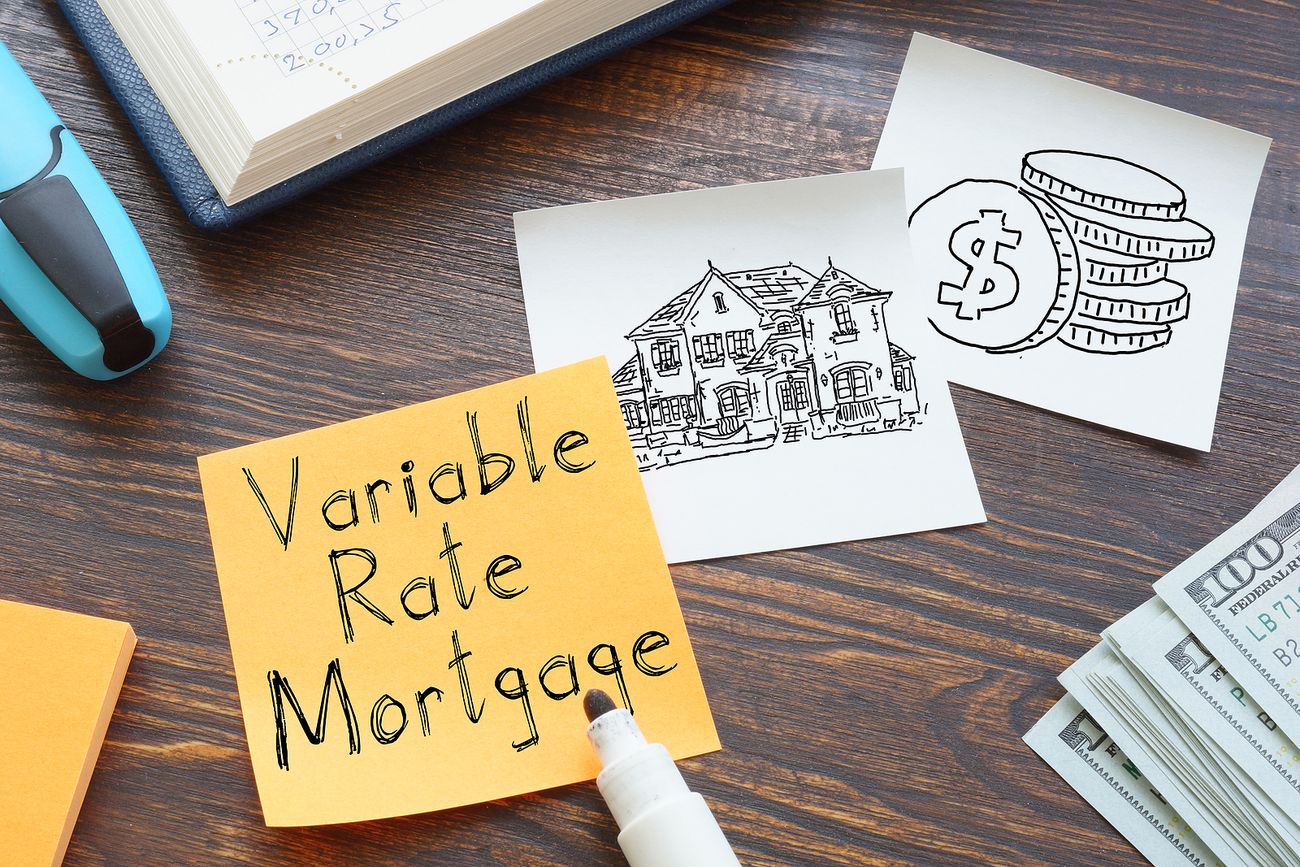
Variable rate home loans, also called adjustable-rate mortgages (ARMs), feature interest rates that change over time based on market conditions. These loans typically start with a fixed rate period before transitioning to adjustable rates.
How Variable Rates Work
Variable rates are tied to financial indexes such as the Secured Overnight Financing Rate (SOFR) or the 11th District Cost of Funds Index. When these indexes rise or fall, your interest rate adjusts accordingly.
Most variable rate loans begin with an introductory fixed rate period, commonly 3, 5, 7, or 10 years. After this period ends, the rate adjusts annually based on the chosen index plus a margin set by your lender.
Advantages of Variable Rate Loans
Lower Initial Interest Rates: Variable rates typically start 0.5% to 1% lower than fixed rates. This difference can save hundreds of dollars monthly during the initial period.
Potential for Rate Decreases: If market rates fall, your payment decreases automatically. You benefit from improved economic conditions without refinancing.
Better for Short-term Ownership: If you plan to sell or refinance within the initial fixed period, you can take advantage of lower rates without experiencing rate adjustments.
Qualification Benefits: Lower initial payments may help you qualify for a larger loan amount or meet debt-to-income requirements more easily.
Disadvantages of Variable Rate Loans
Payment Uncertainty: After the fixed period ends, your payments can increase significantly. This uncertainty makes long-term budgeting challenging.
Risk of Rate Increases: If market rates rise substantially, your payment could increase beyond your comfort level. Some borrowers face payment shock when rates adjust upward.
Complexity: Variable rate loans involve more complex terms, including caps, margins, and adjustment periods. Understanding these features requires careful study.
Potential for Negative Amortization: In extreme cases, if your payment doesn’t cover the interest due, your loan balance could increase rather than decrease.
Comparison Chart: Fixed vs. Variable Rate Loans
|
Feature |
Fixed Rate |
Variable Rate |
|---|---|---|
|
Interest Rate |
Constant throughout loan term |
Changes based on market conditions |
|
Payment Predictability |
Highly predictable |
Unpredictable after initial period |
|
Risk Level |
Low risk |
Moderate to high risk |
|
Initial Rate |
Higher |
Lower |
|
Best For |
Long-term owners, risk-averse borrowers |
Short-term owners, risk-tolerant borrowers |
|
Market Protection |
Protected from rate increases |
Vulnerable to rate increases |
|
Benefit from Rate Drops |
No (unless refinancing) |
Yes, automatic adjustment |
|
Budgeting Ease |
Very easy |
Difficult after adjustment period |
Factors to Consider When Choosing
Several personal and market factors should influence your decision between fixed and variable rate loans.
Your Financial Situation
Income Stability: If you have a steady salary and predictable income, fixed rates may suit you better. Variable rates work well for borrowers expecting income growth or those with fluctuating earnings who can handle payment variations.
Risk Tolerance: Conservative borrowers typically prefer fixed rates, while those comfortable with uncertainty might choose variable rates for potential savings.
Emergency Fund: Variable rate borrowers should maintain larger emergency funds to handle potential payment increases. Fixed rate borrowers face less payment uncertainty.
Market Conditions
Current Interest Rate Environment: When rates are historically low, fixed rates become more attractive because there’s limited room for further decreases. When rates are high, variable rates offer more potential for savings.
Economic Predictions: Consider economic forecasts and Federal Reserve policies. If experts predict falling rates, variable loans might offer advantages. If rate increases seem likely, fixed rates provide protection.
Your Homeownership Timeline
Short-term Plans: If you plan to sell or refinance within 5-7 years, variable rates often provide savings during the initial fixed period.
Long-term Commitment: Borrowers planning to stay in their homes for decades typically benefit from fixed rate stability, especially if they secure favorable rates.
Real-World Scenarios
Scenario 1: The Long-term Homeowner
Sarah and Mike bought their forever home with stable teaching careers. They chose a 30-year fixed rate at 6.75% because they valued payment predictability and planned to stay for 20+ years. Even though variable rates were available at 5.25%, they preferred the security of knowing their payment wouldn’t increase.
Best Choice: Fixed rate loan for stability and long-term planning.
Scenario 2: The Career Climber
Jennifer, a marketing professional expecting significant income growth, chose a 5/1 ARM starting at 5.5% versus a 6.25% fixed rate. She plans to refinance or sell within five years as her career advances. The lower initial payment helps her qualify for a better home while building equity.
Best Choice: Variable rate loan for short-term savings and flexibility.
Scenario 3: The Risk-Averse Retiree
Robert, approaching retirement on a fixed income, selected a 15-year fixed rate loan at 6.25%. He prioritized payment certainty over potential savings because his retirement budget couldn’t accommodate payment increases. The shorter term helps him pay off the mortgage before retirement.
Best Choice: Fixed rate loan for payment security and predictable budgeting.
Refinancing: Switching from Variable to Fixed
Many borrowers start with variable rates and later refinance to fixed rates for added stability. This strategy can work well if you time the switch properly.
When to Consider Refinancing
Before Rate Adjustments: If you have a variable rate loan approaching its first adjustment and rates have risen, refinancing to a fixed rate might save money.
After Building Equity: Additional equity in your home can help you qualify for better refinancing terms and eliminate private mortgage insurance.
When Rates Are Favorable: If fixed rates drop below your current variable rate, refinancing could provide both savings and stability.
Refinancing Considerations
Closing Costs: Refinancing typically costs 2-5% of your loan amount. Calculate whether long-term savings justify these upfront expenses.
Qualification Requirements: You’ll need to meet current lending standards, which may have changed since your original loan. Credit score, income, and debt-to-income ratio requirements all apply.
Loan Terms: Consider whether to maintain your current loan term or switch to a different term length. Shorter terms offer faster payoff but higher monthly payments.
FAQ Section
What is an adjustable-rate mortgage (ARM)?
An adjustable-rate mortgage features an interest rate that changes periodically based on market conditions. Most ARMs start with a fixed rate period (typically 3, 5, 7, or 10 years) before adjusting annually. The rate adjustments are tied to financial indexes like SOFR plus a margin set by your lender.
How do I know if a fixed-rate loan is right for me?
Fixed-rate loans work best for borrowers who prioritize payment stability, plan to stay in their homes long-term, and prefer predictable budgeting. If you’re risk-averse, have a steady income, or are buying during a low-rate environment, fixed rates often provide the best value.
What are the risks of a variable-rate loan?
The primary risk is payment increases when rates adjust upward. Your monthly payment could rise significantly, potentially straining your budget. Variable rate loans also make long-term financial planning more difficult due to payment uncertainty.
How often can the interest rate change on a variable-rate loan?
After the initial fixed period ends, most variable rate loans adjust annually. However, some may adjust more frequently. Your loan terms will specify the adjustment schedule. Rate changes are typically limited by caps that restrict how much your rate can increase per adjustment period and over the loan’s lifetime.
Can I pay extra principal on both loan types?
Yes, both fixed and variable rate loans typically allow extra principal payments without penalties. Paying extra principal reduces your loan balance faster and saves interest over time, regardless of your loan type.