

Financial planning is an integral component of living on your own yet can often seem intimidating and stressful at first. Debt repayment and saving up for future purchases may seem especially daunting at first. Personal Finance encompasses everything from budgeting and insurance coverage to mortgage planning. An understanding of these concepts is vital in order …
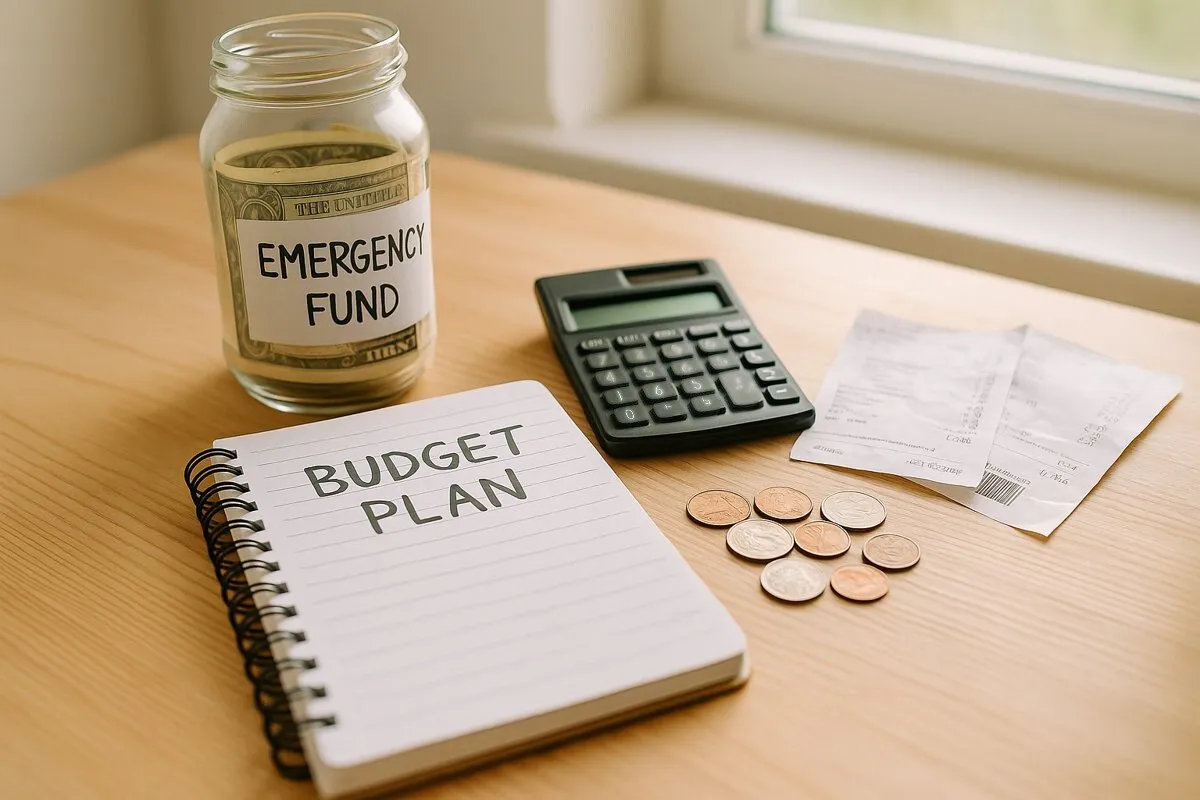
Sarah stares at her bank account balance, feeling that familiar knot in her stomach. With rent due next week and groceries running low, she wonders how she’ll make it through another month. Like millions of Americans, Sarah lives paycheck to paycheck, believing that budgeting is just another word for deprivation. But here’s the truth: budgeting …

Managing your finances doesn’t have to feel like solving a complex equation. The 50/30/20 rule offers a straightforward approach to budgeting that helps you allocate your income wisely while maintaining financial balance. This simple formula divides your after-tax income into three clear categories, making it easier to handle your money with confidence and purpose. The …

Money has a way of disappearing without a trace. One day you’re feeling financially secure, and the next you’re wondering where your paycheck went. The solution isn’t earning more money—it’s knowing exactly where your current income goes and creating a plan to make it work harder for you. Tracking your spending and staying within budget …

Money conversations can make or break relationships. Research shows that financial disagreements are among the leading causes of relationship stress, yet many couples avoid discussing money until problems arise. Managing finances as a team requires open communication, shared goals, and strategic planning that works for both partners. Successfully budgeting as a couple goes beyond splitting …

Managing money shouldn’t feel like rocket science. Yet many people struggle with traditional budgeting methods—spreadsheets that crash, receipts that get lost, and calculations that never seem to add up. Digital budgeting tools have revolutionized how we track expenses, set financial goals, and build wealth. These apps and platforms offer automated tracking, real-time insights, and features …

Budgeting and tracking your spending with an app, spreadsheet or even pen and paper can help identify potential savings opportunities. Start by estimating fixed expenses such as rent/mortgage payments, utilities bills and car payments before considering other expenses that might present potential cost reduction opportunities. Next, track all your variable expenses such as entertainment, groceries …

Budgeting is not about what you cannot do, it’s not simply learning to limit your spending; it is destined to become a cornerstone towards empowering you with financial certainty and ultimately happiness knowing that the money you work so hard for is working for you, helping bring the only thing in life that matters; the life …
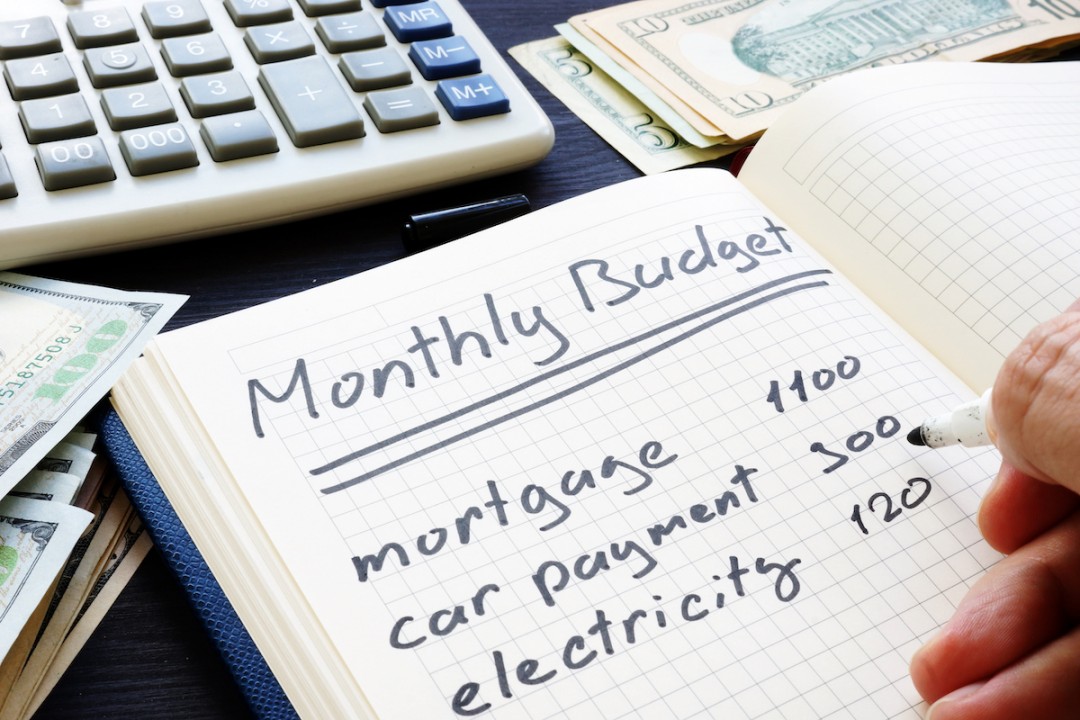
Simple Budgeting Tips to Save More and Spend Smarter. Money savings don’t need to be difficult! By adding these simple hacks into your daily routine, you can reduce expenses, boost savings and achieve financial success more quickly. Begin by reviewing both your income and outgoings. Making adjustments to recurring expenses such as dining out and subscription …