

Discover 14 simple ways to reduce your household expenses fast without sacrificing the quality of your life. Learn the hordes of practical and actionable money-saving solutions that drive families to cut down their monthly bills immensely, save thousands of dollars and then move along towards the much rewarding paths of financial freedom and early retirement.
BUDGET IS THE KEY!
Table of Contents
- Hook: Why Cutting Expenses Matters More Than Ever
- The Real Problem: Silent Money Leaks in Your Household
- 14 Simple Ways to Reduce Your Household Expenses Fast
- Tools and Resources That Make Saving Easier
- Final Thoughts: Small Changes Create Big Financial Freedom
The Importance of Cutting Expenses Now More Than Ever
However, in a time of enduring high inflation the greater cost of basic goods and services is making day-to-day life more difficult to cope with and costly.
The price of groceries, which used to be manageable, is a drain on household budgets as prices rise with no notice.
As that happens, energy bills are still climbing, and families are working to keep comfortable without breaking the bank.
In addition to this, the cost of housing is skyrocketing — often higher than increases in salaries that enable most families to afford.
However, here is an unexpected and encouraging fact that people may view in a variety of ways.
Gaining higher income is not necessarily always the solution in optimizing your financial position.
Indeed, the simplest and most effective route to financial stability is simply recognizing and eliminating household expenditures that have begun to pile up overtime.

Families waste hundreds and thousands of dollars every year — an across-the-board, upward-pulling drain they do not often recognize as such, one that is created over time in the form of small daily spending to go with other austere lifestyle habits.
By implementing strategic adjustments and exercising greater control over expenditure, costs can be reduced efficiently. This approach allows for resources to be reallocated toward savings, investment options, and long-term wealth accumulation.
To help you out, here are 14 simple but effective ways you can start saving money at home today.
What is the real problem: Where Silent Money Drains in Your House
To lead into the viable solutions that could address the financial issues you might be experiencing, it first needs to understand what is going wrong.
Most households are not financially devastated by one cataclysmic expense.
The truth is, however, that money usually disappears slowly over time through a handful of small but regular habits which can add up to large sums.
These habits include:
- neglected subscriptions that you forgot about
- the sad and completely avoidable waste of food
- energy inefficiencies that increase bills
- impulsive buying often regretted afterward.
- Needless convenience services that, yes, appear in themselves innocent but are quite unnecessary.
Looking at alone, each of these expenditures may seem trivial, and easily ignored.
But when viewed in aggregate over a span of months and years, they can slowly drain thousands of dollars each year from the pool of funding set aside for your household budget.
The goal here is not to live a life of extreme austerity. Instead of being frugal, the aim is to have an intentional spending mindset—when you spend, you invest in things with purpose.
Let us now examine the steps that can be taken to resolve these problems.
14 Simple Ways to Reduce Your Household Expenses Fast
- Track Every Dollar for 30 Days
The best and fastest way to save a large amount of money is based upon the realization of exactly where you spend your hard-earned income.
As your first action on the way towards improved financial awareness, you should track every single expense for a full month using either an advanced budgeting app or even just a good old-fashioned notebook.
This one simple powerful habit can reveal hidden spending patterns and habits you may have missed or just not noticed in your daily financial interactions.
Useful Tool: The Total Money Makeover (Dave Ramsey)
This brilliant book explains, step by step, the practical, effective budgeting strategies that millions of people have adopted to restore control over their financial lives.


- Cancel Unused Subscriptions
Streaming services, apps, and various memberships can, quietly and slowly, hollow out your finances.
Make sure to review all your subscriptions which,
- but are not limited to streaming services for.
- Entertainment
- fitness memberships for health facilities,
applications that provide different functionalities or magazines that ensure periodical reading.
This will allow you to save a considerable amount when you take the effort to unsubscribe from anything unnecessary.
This deceptively simple step can save you anywhere from $50 to $200 a month so that you can use your cash more wisely.
- Reduce Grocery Spending
And groceries are among the simplest and most straightforward areas in which they — and we all really — can quickly cut costs.
Of course, following asome simple but smart strategies can save far more.
These tactics include, but are by no means limited to:
- carefully so as not to buy anything full of sugar or otherwise unhealthy, planning out meals for the week
- selecting store brands, which often have comparable quality to their name-brand counterparts, for a fraction of the cost.
- resisting craving to shop when you are hungry — which can make you buy more things you do not need.
- religiously using grocery lists to stay on track with what is needed and prevent impulse spending.
It is said that with meal planning, families can save anywhere between 20–30% of their final food costs while improving not only your financial health but also the quality of their diet.
Recommended Book: – Good and Cheap: Eat Well for $4 a Day
Well-researched and renowned, this book offers helpful tips and information on eating healthily while sticking to a strict budget.
- Stop Energy Waste at Home
Small but powerful changes to these routines can amount to significant savings.
Examples of such changes are scrupulous.
- switching off lights when they are not in use,
- unplugging appliances that will not be used
- using energy efficient light bulbs
- adjusting temperature.
When these small tweaks become habits, they can translate to significant savings on your electricity bill over the long run.
Helpful Product: – LED Energy Saving Light Bulbs
Typically, many of them are exceptionally good as a source of light, much more efficient than traditional incandescent bulbs so we must really consider led bulbs because they last longer.
- Cook at Home More Often
Going out to eat, while extremely convenient, can also be a full-of budget buster.
A family that eats out several times a week could easily be spending thousands of dollars a year on food from restaurants.
So, think about preparing and cooking meals at home more often.
Batch cooking and preparing meals will help streamline the process, making it so much easier and more efficient too. 📘
Recommended Tool: – Meal Prep Containers Set
Meal prepped and organized; it will save you hours throughout the week—while also making you cut down on food waste (an often-overlooked timewaster).
- Buy Generic Brands
The same facilities that make name-brand products are commonly making generic products, meaning the quality is similar while costing significantly less.
And in fact, they were all at least 30% and up to 50% cheaper than the versions with brands on them.
Switching to store brands for the following essentials:
- groceries
- household supplies
- medications
You can dramatically reduce your monthly expenses, which results in significant savings over time.

- Cut Transportation Costs
Transportation usually accounts for one of biggest costs in any household budget.
But there are some good things you can do to massively decrease these costs.
For instance, consider:
- sharing a ride with family or coworkers
- bundling multiple errands into the same trip
- keeping your car regularly serviced, which extends its lifespan and performance.
- practicing efficient driving styles like smooth acceleration and braking
Even small efforts, such as ensuring tire pressure is optimal, can significantly enhance fuel efficiency and save you a boatload of cash.
- Reduce Your Phone and Internet Bills
Many households pay more than necessary on phone and internet, often without knowing it.
To counter this, proactively call your service provider and ask them whether there are opportunities for savings on:
- loyalty discounts that benefit long-term customers
- promotional pricing potentially available for new or existing services
- bundled services that group together several products at a reduced price.
Just switching to another provider can save hundreds of dollars each year.
- Reduce Food Waste
Food waste is a significant and hidden cost that households do not account for or pay attention to.
Studies show that families discard hundreds of dollars’ worth of food a year — loss that is easily avoided with some simple solutions.
Simple yet effective strategies include:
- freezing leftovers so they last longer and produce less waste.
- organizing your refrigerator so you know what ingredients are available.
- planning meals in such a way as to use up leftover ingredients before they spoil.
- Avoid Impulse Purchases
Retail environments are exceedingly engineered to stimulate and incite impulse buying behaviors in consumers.
One practical approach to mitigate this tendency is the 24-hour rule.
Next time you feel yourself wanting to buy something applicable a want and not a need, take a step back and wait 24 hours.
Most of the time you will find that it is not needed in any case.
In this way, a small yet impactful habit can help you avoid those wasted dollars and guide your spending to be more intentional.
- Utilize Cashback and Reward Applications
There are numerous applications available that offer cashback rewards on everyday spending that you make in your daily life.
Some of the most popular examples of these helpful apps include:
- Rakuten
- Ibotta
- Honey
You can utilize these incredible tools to reduce your costs for things you were going to do anyway!
- Perform a Comprehensive Review of Insurance Policies
Insurance premiums have a smattering habit of increasing without notice or concerns, which can lead to surprises on your wallet.
It is wise to carefully review your various insurance policies, such as:
- car insurance
- home insurance
- renters’ insurance
Since you can compare quotes from a wide range of providers, it can often mean capping down on the amount that your premiums run to slowly having your financial health in order.
- Implement the “One-In, One-Out Rule”
Guideline 4: For every latest item you feel the need to buy, also get rid of one item that is no longer useful or relevant for you.
This wise rule helps to reduce clutter in your home and decreases unnecessary spending.
In addition, it cultivates a5notion of more mindful purchases that challenges you to consider whether you really need that item.
- Establish Monthly Spending Limits
A smart budget with a clearly defined spending limit is key to controlling lifestyle inflation, which can sometimes happen if you earn more money.
Many people unwittingly slip into the trap of growing their spending as they grow financially.
But with discipline and reigning in your desire to spend, you can divert more of your resources toward saving and investing, leading to greater financial rewards over time.
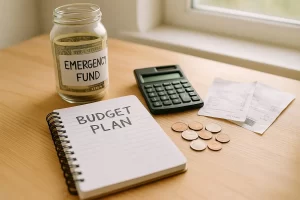
These Are Tools and Resources That Make Saving Easier
By using the right tools and resources for economic management, cutting back on household costs becomes an infinitely easier task.
Here are some valuable resources that can help you on this journey:
Budgeting Book: – Your Money or Your Life
Budget Apps
Best for: – People who are passionate about sticking to a strict budget and want full control over their finances.
Method: – Utilizes zero based budgeting, with a purpose and role for every dollar.
Especially useful for those who are resolved to escape the cycle of paycheck-to-paycheck living that so many people seem doomed to continue.
Note that this is a paid application, but you can get a four-free trial version if you would like to see how it works before deciding.
- Mint Alternative: Monarch Money
Best for: – All-in-one financial tracking that combines a variety of your finances in one streamlined platform.
Keeps a detailed record of your spending habits, net worth, and personal finance goals.
Boasts an elegant, minimal interface that improves user engagement and satisfaction.
While a paid service does provide prospective users with a free trial to help evaluate what it has to offer.
- Pocket Guard
Who this is best for: – Anyone who wants to avoid the perils of overspending and keep their finances in undamaged shape.
Demonstrates the maximum amount of cash that you can spend without breaking your budget.
Help you keep an eye on regular bills and subscriptions so that you do not miss any payments.
Both a paid version and free version.
- Rocket Money
Best for: Those looking to rein in their monthly bills by canceling subscriptions that are not necessary and saving money in a smart way.
Automatically recognize and flags unnecessary subscription costs.
Moreover, it also helps to reduce your monthly bills leading to added financial efficiency.
Free with optional premium upgrades.
- Honeydew
Best for: – Couples looking to budget together.
This app allows you to share financial details, divide bills, and even communicate with your roommates of the app — setting a stride for seamless budgeting experience.
It is entirely free to utilize, providing an accessible solution for couples on their joint financial path.
- Empower (Personal Dashboard)
Best for: – Anyone who wants a one-stop shop to track both their budget and investments, all in a user-friendly format.
Successfully tracks and monitors both expenditure and investment activities, making all financial information available in one place.
Free, so a great tool for long-term building financial wealth and stability.
Quick Tips
Are you a beginner?
→ If you want to take a step in the right direction, try Rocket Money or Pocket Guard.
You are serious about saving and saving effectively, right? → YNAB Supercharge your finances with better controls.
Are there you two who would like to budget together? → Honeydew is ideal if this is you.
Are you building wealth? → They will do you good in tracking your financial health.
Expense Trackers
- Google Sheets budget templates
- printable budgeting planners
- Excel
These careful tools are there to help you stay on track with your money goals so that you have a more disciplined approach when it comes to managing your finances and saving money.
The Bottom Line: Little Adjustments Lead to Major Financial Independence
You do not have to sacrifice happiness or live in isolation just to reduce your household expenses.
It represents an intentional mindset when it comes to how you use your financial resources.
So, once you start to be intentional about your financial decisions, infinite pathways for improvement lie before you.
Consistency is key, and slowly improving your daily habits results in astonishingly powerful change!
An example is putting aside a smaller amount ranging from $300–five hundred/month could dramatically change the direction you go in life that you may not even notice at first.
Such extra cash, if managed properly, could be put towards all sorts of vital financial goals.
- a healthy emergency fund that protects you from unexpected events,
- paying off debt more quickly to free yourself of the interest burden,
Investing with the goal of growing wealth for the future could even make it possible to retire much sooner than one might have thought.
The real thing is doing it today.
Believing in this maxim and implementing these habits not only makes your financial life better for you today, but also ensures a brighter, more prosperous, and free future.
If you think this ultimate guide has been useful and enlightening, feel free to share it with your family members or friends who may want to improve their financial literacy level and wealth.
Moreover, if you want to succeed in increasing your wealth while easing financial stress, you can explore more insightful tips and usable advice on our blog.
👉 Next Read: – 10 Money Saving Back to School Budget Hacks That Can Save Parents Hundreds!
Discover smart and clever ways parents can save big bucks during the expensive back-to-school season.
Visit: – https://savingsforwealth.com/
References
U.S. Bureau of Labor Statistics – Consumer Expenditure Survey
https://www.bls.gov
Energy.gov – Energy Saving Tips
https://www.energy.gov
USDA Food Waste Statistics
https://www.usda.gov