
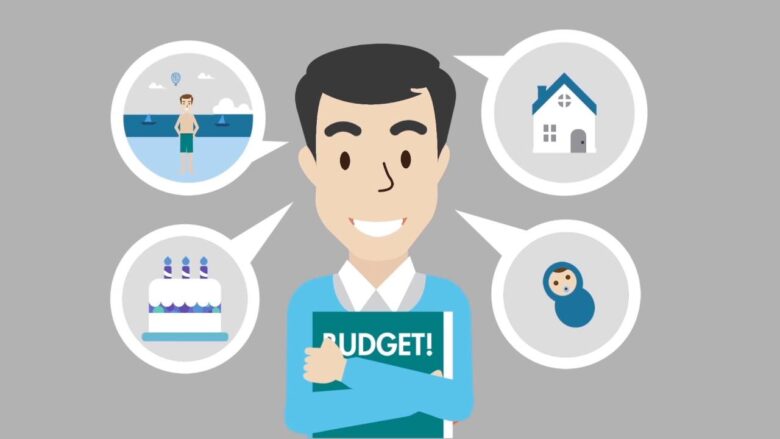
Budgeting is essential for everyone, regardless of income. It allows you to prioritize expenses and cut unnecessary spending while tracking spending habits and finding opportunities for savings.
Assume you have all your mandatory bills covered as well as debt payments such as credit card and loan balances, then calculate your monthly expenses. Include everything from mandatory utility costs like water and sewer to debt payments like credit card and loan obligations.
Creating a budget
Establishing a budget is an integral component of financial management. A budget allows you to track where your money is being spent and whether or not you’re overspending on expenses, while setting financial goals and sticking with them. While budgeting may seem complicated at first, everyone should use this powerful tool.
One of the first steps in creating a budget is calculating your income, including net pay or take-home pay and benefits such as 401(k) contributions or health insurance premiums from your employer. You can find this information either on your paycheck stubs or bank account statements. Next step should be identifying expenses; these might include fixed costs such as housing and utilities payments as well as variable expenses like groceries and gas. A budgeting app, spreadsheet or online template could help categorize spending patterns more easily.
Once you’ve made an exhaustive list of expenses, the next step is setting financial goals. Consider both short-term goals like planning a vacation or retirement savings and longer term ones like purchasing property or paying off student loans. Don’t forget to review these goals regularly in order to stay on track.
Tracking expenses
Tracking expenses is an integral component of budgeting. By keeping tabs on expenses, tracking allows you to see whether or not your spending fits within your plan and can identify potential spending leaks or ways to cut costs or save more money. Tracking can be accomplished using either an excel spreadsheet or even an app.
Start tracking expenses by collecting bank and credit card statements that include transactions made and expenses accrued during a specific time frame. An alternative method would be an online banking platform which lets you view spending transactions live – this type of expense tracking may be more convenient but may lack details as detailed as other alternatives.
Your spending should also be documented through journals or lists. Lists can be as specific or broad as desired; just remember to keep it updated regularly! Journals also help to facilitate financial reflection while helping you understand your behaviors better and alter them to reach your goals more quickly.
No matter which method you choose, it is crucial to commit to tracking for at least a week for an accurate picture of where your money goes. Once you know where it goes, setting budget limits that meet your goals becomes much simpler. Tracking expenses may take some time but its insights and action items will help create a stronger financial future for you and your loved ones.
Creating a spending plan
A spending plan is an effective way of tracking both expenses and income, helping you avoid overspending and build an emergency savings account. The first step in creating your household budget should be gathering pay stubs, credit card statements, bank records and pay records in order to calculate monthly income and identify all of your expenses either as fixed expenses (rent or mortgage payments, insurance premiums), variable expenses such as food purchases and entertainment (variable costs), or periodic (utilities payments or debt repayment).
After determining your monthly income and expenses, calculate the difference. Subtract expenses from income before allocating it towards personal “wants” and financial goals like saving or paying down debt. It’s important to set realistic and attainable goals while periodically reviewing your spending plan to make necessary adjustments as required.
An envelope budget can help create a spending plan by allocating a specific amount for each expense category, like groceries, clothing and entertainment. When an envelope becomes empty, spending must stop until its replenished with money again – this method works especially well when trying to limit expenses like dining out or purchasing new clothes.
Creating a savings plan
An effective savings plan provides the foundation to meet financial goals and life milestones. A savings plan helps determine how much to save, the type of accounts to use and when your goal will be reached.
When creating a savings plan, it is crucial to set clear, measurable and attainable goals – these could range from short-term (such as vacation expenses) or long-term goals such as retirement. Furthermore, it’s wise to establish an automatic savings account transfer from your checking account into your savings account every month so as to prevent temptation from spending unplanned savings money unwisely.
Setting savings goals that are specific, measurable, attainable and reasonable (SMART) is also key to reaching them successfully. If your goal is to purchase a home, estimate its costs using real estate listings or an online mortgage calculator; or use both methods together for maximum effectiveness.
Monitor your progress regularly to stay on track. Sit down every week and review your bank accounts, bills, expenses and income in order to identify areas for cutbacks or possible side hustles that could increase savings.