
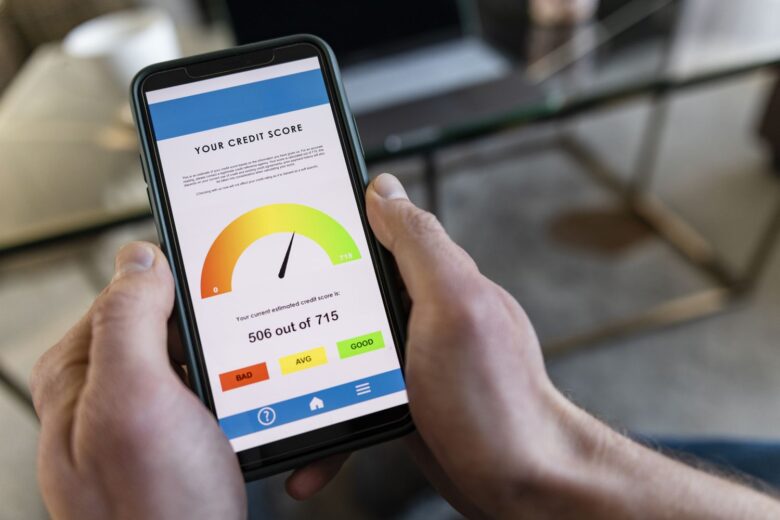
Building and maintaining a solid credit score requires patience, discipline and time – but doing so could open doors to greater financial opportunities faster and help you reach your goals more quickly.
A great way to quickly improve your credit score is through making on-time payments and managing debt wisely. Other strategies for increasing your score include decreasing debt amounts owed and increasing credit utilization as well as adding positive information to your report.
1. Pay Off Your Debts
Paying down debt can be one of the most effective strategies for improving both your credit score and financial health. While this process takes time, paying off your debts helps build credit history while saving money and decreasing any future interest payments.
Payment on time is one of the cornerstones of good credit scores, and failing to do so could have serious repercussions for your report and score. To prevent missing payments and potentially harming your score, set up automatic payments, calendar reminders or any other financial management tools suitable to your schedule and budget.
Reducing credit card balances is one way to improve your score; to do so, strive to keep utilization levels below 30% of your available limit.
Managing multiple debts at once can be challenging, so to maximize savings and investment opportunities in the future. Pay down those with highest interest rates first before moving onto other cards or loans. Once some debts have been cleared away, focus on saving and investing for the future while creating a healthy mix of different forms of credit can help improve your score – lenders look favorably upon seeing that multiple accounts can be handled responsibly; an array of accounts could even qualify you for loans with better terms in future!
2. Reduce Your Credit Card Balances
One of the primary components of your credit scores is how much debt you are carrying on revolving credit accounts like credit cards – this is known as your “credit utilization rate”. Your goal should be to keep this as low as possible using various strategies available to you.
One option for paying down credit card balances quickly each billing cycle without incurring extra interest is paying down before the end of each billing cycle; another strategy would be creating a debt reduction plan within your budget; or searching for cards offering interest-free offers that may help minimize costs related to debt reduction.
Credit cards can be an effective tool in building good credit if they are handled responsibly. Overall, owning credit cards and installment loans like auto or student loans can boost your score.
One way of accomplishing this goal is through debt reduction strategies such as the snowball method. Begin by paying only minimum payments on all your credit card bills except the one with the lowest balance, then set aside as much money each month toward that one until its paid off – then move onto the next smallest debt until all are cleared away.
3. Pay Your Bills on Time
Paying bills on time is one of the best ways to boost both your credit score and financial health. Establishing and maintaining good financial habits will allow you to better manage your money, stick to budget, save for retirement or home purchases and more.
Payment history accounts for a significant part of your credit score, so it is critical that all payments are on time. To simplify things further if you are managing multiple expenses at once, try setting some payments (rent/mortgage payments, utilities bills and insurance payments) up as autopay to ensure timely payments every month. Alternatively, set calendar reminders or alerts on credit card accounts so as to stay on top of it all!
If your credit cards have high balances, make sure that the full amount is repaid each month to avoid paying interest and limit how often transactions occur with them in order to keep your debt-to-credit utilization ratio as low as possible.
If you are having difficulty paying your bills, contact your creditors directly and explain your situation. In many instances, creditors can work with you to find flexible solutions such as deferred payments or grace periods to help get things back on track.
4. Pay Down Your Loans
One of the quickest ways to boost your credit score is to reduce loans. But before focusing solely on repaying debts, ensure all other credit cards and loan accounts are up-to-date; late payments or collections can have an immediate effect on your scores; although any negative information eventually dissipates from reports.
When it comes to repaying debt, it may be helpful to implement one or more of the following strategies:
Implement the Debt Avalanche or Snowball Method: This strategy involves prioritizing paying down accounts with higher interest rates first. As soon as this one has been cleared, then move onto those with successively higher rates until all are cleared away and your balances can be eliminated more rapidly while saving money in the process.
Maintain a Balanced Credit Mix: Lenders like to see that you can effectively balance both revolving accounts (such as credit cards) and installment loans, such as student and auto loans. However, be careful not to open new accounts just for the purpose of adding balance; doing so could actually lower your score!
At its core, having an excellent credit score can help you attain financial health and reach your financial goals. It can open doors to mortgages, car loans and other types of credit; but building and maintaining one takes patience and adherence to these tips.