
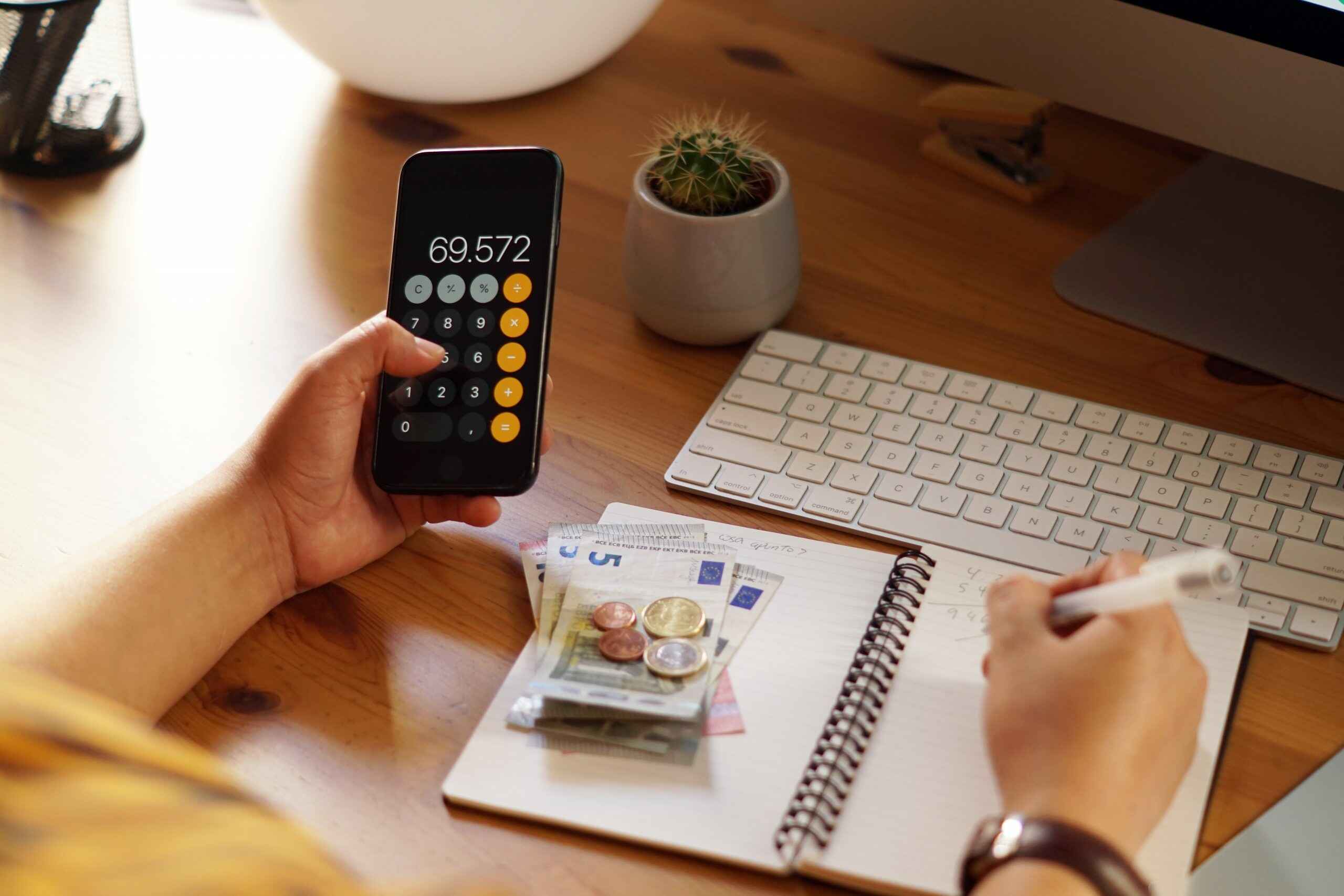
Managing money shouldn’t feel like rocket science. Yet many people struggle with traditional budgeting methods—spreadsheets that crash, receipts that get lost, and calculations that never seem to add up. Digital budgeting tools have revolutionized how we track expenses, set financial goals, and build wealth. These apps and platforms offer automated tracking, real-time insights, and features that make financial management accessible to everyone, regardless of their accounting background.
This comprehensive guide explores the best digital budgeting tools available today, helping you choose the right solution for your financial needs and lifestyle. Whether you’re a budgeting beginner or looking to upgrade your current system, these tools can transform your relationship with money.
Why Use Digital Budgeting Tools?
Digital budgeting tools offer significant advantages over traditional pen-and-paper methods or basic spreadsheets. These benefits extend beyond simple convenience, providing features that actively improve your financial decision-making.
Convenience and Accessibility
Digital tools put your financial information at your fingertips. Check your spending from anywhere, categorize expenses on the go, and access your budget across multiple devices. This accessibility means you can make informed financial decisions whether you’re at the grocery store or planning a major purchase.
Cloud-based budgeting apps sync across devices, ensuring your financial data stays current regardless of where you update it. Start a budget on your computer, add expenses from your phone, and review progress on your tablet—all with seamless synchronization.
Real-Time Tracking and Analysis
Manual budgeting often means discovering spending problems weeks after they occur. Digital tools provide immediate feedback on your spending patterns, alerting you when you’re approaching budget limits or when unusual transactions occur.
Many apps connect directly to your bank accounts and credit cards, automatically categorizing transactions and updating your budget in real-time. This automation eliminates the tedious task of manually entering every expense while providing more accurate spending data.
Automation and Reminders
Digital budgeting tools excel at automating routine financial tasks. Set up automatic transfers to savings accounts, schedule bill payments, and receive reminders for upcoming expenses. This automation reduces the mental load of money management while helping you stay consistent with your financial goals.
Smart notifications can alert you to unusual spending patterns, upcoming bills, or opportunities to save money. These proactive features help you avoid overdraft fees, late payments, and budget overruns.
Top Digital Budgeting Tools and Apps
The market offers numerous budgeting apps, each with unique features and approaches. Here are five leading options that cater to different budgeting styles and financial goals.
Mint: Comprehensive Free Budgeting
Mint remains one of the most popular free budgeting apps, offering robust features without subscription fees. The app automatically categorizes transactions, tracks spending across multiple accounts, and provides credit score monitoring.
Key Features:
- Automatic transaction categorization
- Bill tracking and payment reminders
- Free credit score monitoring
- Investment tracking
- Goal setting and progress tracking
Best For: Beginners who want comprehensive features without paying subscription fees.
YNAB (You Need A Budget): Proactive Budget Management
YNAB takes a proactive approach to budgeting, requiring users to assign every dollar a job before spending it. This method encourages intentional spending and helps break the paycheck-to-paycheck cycle.
Key Features:
- Zero-based budgeting methodology
- Real-time sync across devices
- Debt payoff planning
- Detailed spending reports
- Educational resources and support
Best For: People who want to be highly intentional about their spending and are willing to invest time in budgeting.
Personal Capital: Investment-Focused Budgeting
Personal Capital combines budgeting features with investment tracking, making it ideal for users who want to monitor their entire financial picture. The app provides detailed investment analysis and retirement planning tools.
Key Features:
- Net worth tracking
- Investment portfolio analysis
- Fee analyzer for investment accounts
- Retirement planning tools
- Cash flow monitoring
Best For: Investors who want to track budgeting and investment performance in one platform.
PocketGuard: Simplified Spending Control
PocketGuard focuses on preventing overspending by showing users how much they can safely spend after accounting for bills, goals, and necessities. The app’s simple interface makes budgeting less overwhelming.
Key Features:
- “In My Pocket” spending limit calculation
- Bill tracking and categorization
- Subscription management
- Savings goal tracking
- Spending insights
Best For: People who want simple spending control without complex budgeting features.
Honeydue: Budgeting for Couples
Designed specifically for couples, Honeydue allows partners to share financial information while maintaining privacy controls. The app includes communication features for discussing spending and financial goals.
Key Features:
- Shared account visibility
- Transaction commenting and messaging
- Spending limit alerts
- Bill reminders for both partners
- Balance and spending notifications
Best For: Couples who want to coordinate their finances while maintaining some individual privacy.
Digital Budgeting App Comparison
|
App |
Monthly Cost |
Bank Sync |
Investment Tracking |
Best Feature |
|---|---|---|---|---|
|
Mint |
Free |
Yes |
Basic |
Comprehensive free features |
|
YNAB |
$14.99 |
Yes |
No |
Proactive budgeting methodology |
|
Personal Capital |
Free |
Yes |
Advanced |
Investment analysis |
|
PocketGuard |
Free/$4.99 |
Yes |
No |
Spending limit calculation |
|
Honeydue |
Free |
Yes |
No |
Couples coordination |
How to Choose the Right Tool
Selecting the best budgeting tool depends on your specific financial situation, goals, and preferences. Consider these factors when evaluating options.
Assess Your Financial Complexity
Simple financial situations may only require basic budgeting features, while complex finances benefit from advanced tools. If you have multiple income sources, various investment accounts, or business finances, choose apps with robust reporting and categorization capabilities.
Consider your current financial accounts and ensure your chosen app can connect to all relevant institutions. Some apps have limited bank partnerships, which could affect their usefulness for your specific situation.
Evaluate Your Budgeting Style
Different apps support different budgeting philosophies. Zero-based budgeting apps like YNAB require active involvement, while automated apps like Mint take a more passive approach. Choose tools that align with how you prefer to manage money.
If you’re new to budgeting, start with user-friendly apps that provide educational resources and support. More experienced budgeters might prefer advanced features and customization options.
Consider Long-Term Financial Goals
Apps with investment tracking and retirement planning features serve users focused on long-term wealth building. If your primary goal is controlling spending or paying off debt, choose apps with strong expense tracking and debt management features.
Some apps excel at specific financial goals—debt payoff, emergency fund building, or retirement planning. Prioritize tools that support your most important financial objectives.
Tips for Effective Digital Budgeting
Using digital tools effectively requires more than just downloading an app. These strategies help you maximize the benefits of your chosen budgeting platform.
Set Clear Financial Goals
Digital tools work best when you have specific objectives. Whether you’re saving for a vacation, paying off debt, or building an emergency fund, clear goals provide direction for your budgeting efforts.
Break large goals into smaller milestones to maintain motivation. If you’re saving $10,000 for a home down payment, celebrate reaching $2,500, $5,000, and $7,500 milestones along the way.
Track Expenses Consistently
Consistency is crucial for budgeting success. Check your app regularly, review transactions for accuracy, and adjust categories as needed. Most successful budgeters review their spending at least weekly.
Take advantage of mobile apps to track expenses immediately. Adding transactions as they occur provides more accurate data than trying to remember purchases days later.
Automate Savings and Investments
Use your budgeting app’s automation features to transfer money to savings accounts and investment accounts. Automation removes the temptation to spend money earmarked for financial goals.
Set up automatic transfers to occur shortly after payday, when your checking account balance is highest. This “pay yourself first” approach ensures you prioritize savings before discretionary spending.
Review and Adjust Regularly
Your budget should evolve with your financial situation. Review spending patterns monthly and adjust budget categories based on actual expenses. If you consistently overspend on groceries, either increase that budget category or find ways to reduce food costs.
Annual budget reviews allow for bigger adjustments based on income changes, new financial goals, or shifting priorities. Use these reviews to ensure your budget still aligns with your values and objectives.
Digital Budgeting for Couples
Couples face unique challenges when managing money together. Digital tools can facilitate financial cooperation while respecting individual preferences and privacy needs.
Communication and Shared Goals
The most successful couples use budgeting apps to facilitate money conversations, not replace them. Schedule regular financial check-ins to discuss spending, review goals, and address concerns. Apps like Honeydue include messaging features that make these conversations easier.
Digital tools help couples align their financial goals by providing clear data on spending patterns and progress toward objectives. When both partners can see the same information, it’s easier to make joint decisions about money.
Transparency and Trust
Shared access to financial information builds trust between partners. When both people can see account balances, spending patterns, and progress toward goals, it prevents financial surprises that can damage relationships.
Many couples find success with a hybrid approach—using apps to share information about joint expenses and goals while maintaining some individual financial privacy. The key is agreeing on what information to share and respecting each other’s boundaries.
Handling Disagreements
Digital budgeting tools can help couples resolve financial disagreements by providing objective data about spending patterns and goal progress. When discussing money matters, refer to app data rather than relying on memory or assumptions.
Use budget categories to accommodate different spending priorities. If one partner values travel while the other prioritizes savings, create specific budget categories for both goals. This approach ensures both partners’ values are reflected in your financial plan.
Frequently Asked Questions
Q: Are digital budgeting tools secure?
A: Reputable budgeting apps use bank-level encryption and security measures to protect your financial data. They typically use read-only access to your accounts, meaning they can view transactions but cannot move money. However, always research an app’s security practices and read user reviews before linking your accounts.
Q: Can I link multiple bank accounts to budgeting apps?
A: Most budgeting apps support connections to multiple banks, credit cards, and investment accounts. This feature allows you to see your complete financial picture in one place. Check your chosen app’s list of supported financial institutions to ensure compatibility with your accounts.
Q: How often should I review my budget?
A: Weekly reviews work well for most people, allowing you to catch problems early while not making budgeting feel overwhelming. Monthly reviews are essential for adjusting budget categories and assessing progress toward financial goals.